Professor Suluku Leads National Training to Boost Cattle Milk and Meat Production
Njala University News

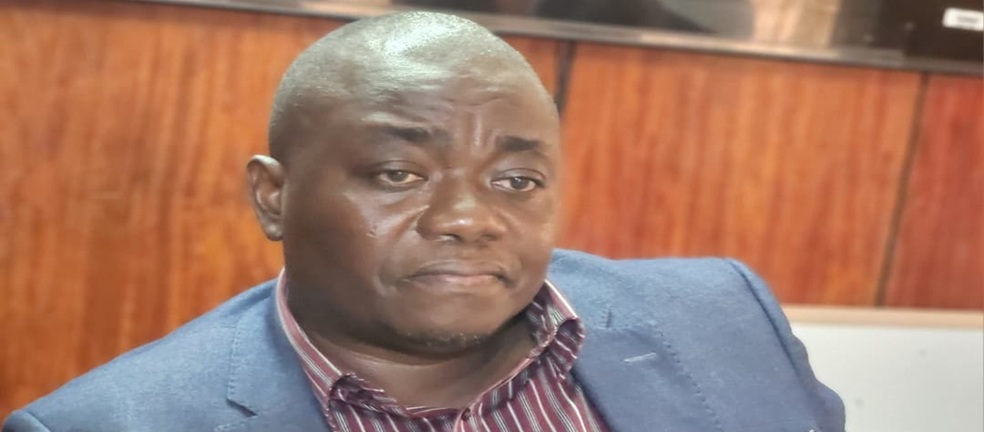
Njala University, Njala Campus, 5th December, 2025— Professor Roland Suluku, Dean of the School of Agriculture and Food Sciences at Njala University, has launched a major nationwide training initiative designed to improve the milk and meat production of Sierra Leone's local cattle breeds.
The exercise is part of a project he developed in partnership with the International Atomic Energy Agency (IAEA), aimed at upgrading livestock productivity through modern breeding technologies.
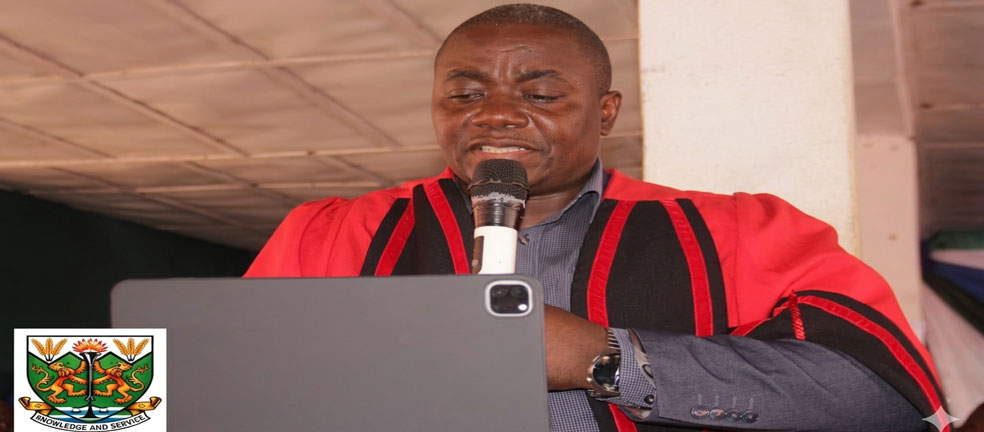
Professor Roland Suluku explained that the project, titled Improvement of Livestock for Enhanced Milk and Meat Production, focuses on introducing high-yield cattle genetics into local herds to significantly increase national output.
He noted that the training centers on artificial insemination—an established but largely unfamiliar technique in Sierra Leone due to the predominance of free-range livestock rearing. In free-range systems, animals expend much of their energy on movement, resulting in low milk yields and limited benefits for cattle owners.
To address this, the project is bringing semen from high-yielding breeds such as Jersey cattle, which produce 18 to 20 liters of milk daily, and Holstein Friesian cattle, which produce between 25 and 35 liters. The goal is to ensure that local cows can produce a minimum of 20 liters of milk per day, a substantial improvement over current levels.
Because Sierra Leone lacks widespread technical expertise in artificial insemination, the IAEA contracted a specialist consultant to provide hands-on training. Professor Suluku emphasized that while the technique is widely practiced in developed countries, it is new to many livestock handlers in the region. The consultant's role is to teach participants how to conduct insemination safely and effectively so that the country can begin to build a sustainable breeding program based on superior genetic material.
The project also includes several international training components. Two Sierra Leonean officers were sent to Tanzania to learn semen collection from cattle, while another team completed training in molecular diagnostics to assess the genetics of imported semen. In addition, two participants were trained in Kenya on ration formulation to ensure that high-yielding animals receive the balanced nutrition required for optimal production. Professor Suluku himself undertook a scientific visit to Kenya to observe artificial insemination practices after an earlier visit provided limited learning opportunities.
The ongoing training in Sierra Leone covers essential skills such as pregnancy detection and heat synchronization. Synchronization involves administering hormones that bring cattle into heat, enabling controlled breeding. Once an animal is confirmed to be in heat after a seven-day check, the insemination process can take place by inserting the semen into the reproductive tract. The Dean stressed that although the procedure may appear simple, it requires precision, practice, and proper technique. For this reason, the training aims to build both confidence and competence among local practitioners.
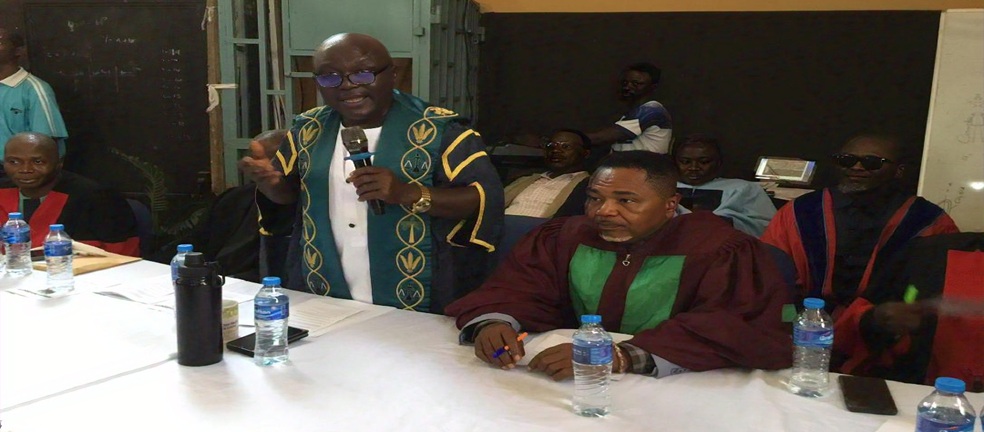
Professor Victor Tsuma, IAEA Technical Officer, was also present to monitor progress and provide additional support. He expressed satisfaction with earlier phases of the project carried out some years back and noted that the current phase must advance into commercial production for broader national impact. This expectation has driven the inclusion of cattle farmers from all twelve districts in the training program so they can observe the procedures firsthand and prepare to implement them in their communities.
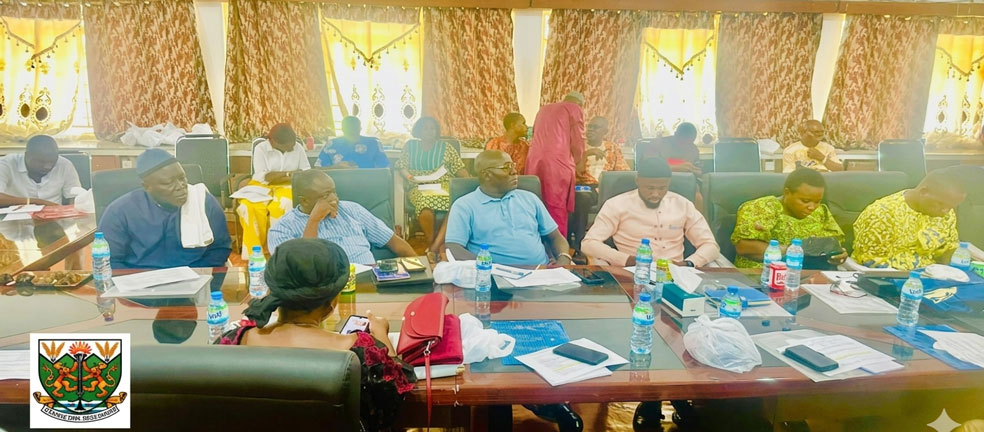
A total of 22 participants are involved in the training, including representatives from the Sierra Leone Livestock and Players Organization, Njala University, Milton Margai Technical University, Ernest Bai Koroma University, and other government institutions. Professor Suluku said the diversity of participants reflects the project's goal of building a countrywide network of trained livestock professionals capable of maintaining and expanding the artificial insemination program.
He added that although artificial insemination can be performed by anyone who masters the technique, it requires consistent practice to achieve reliable results. The training seeks to equip participants with the skills needed to handle the procedures independently, contributing to long-term growth in livestock productivity.
Dean Suluku concluded that with the right training, international support, and farmer participation, Sierra Leone can transform its livestock sector, increase domestic milk supply, and improve food security. He reaffirmed that the commitment of both local institutions and the IAEA places the country on a solid path toward modernizing cattle production through science-based methods.


- Log in to post comments