
King of Asaba Calls for Stronger Sierra Leone–Nigeria Academic & Cultural Partnerships
King of Asaba Calls for Stronger Cultural and Academic Partnerships

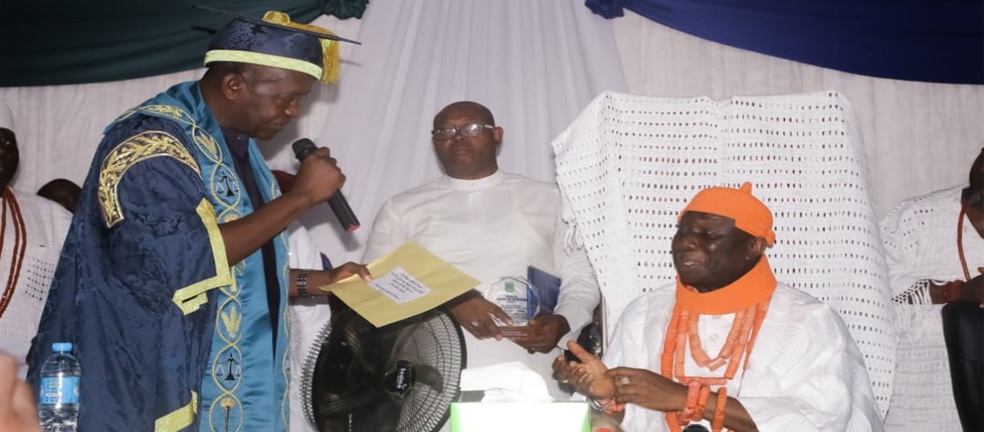
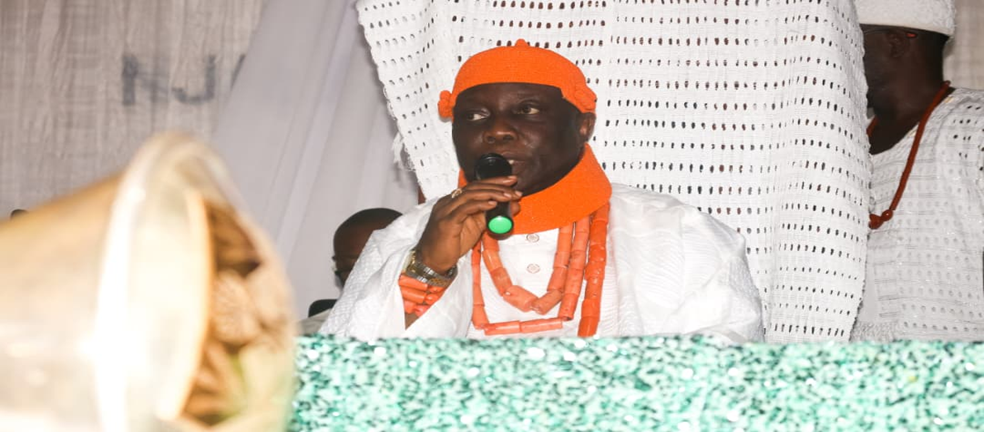
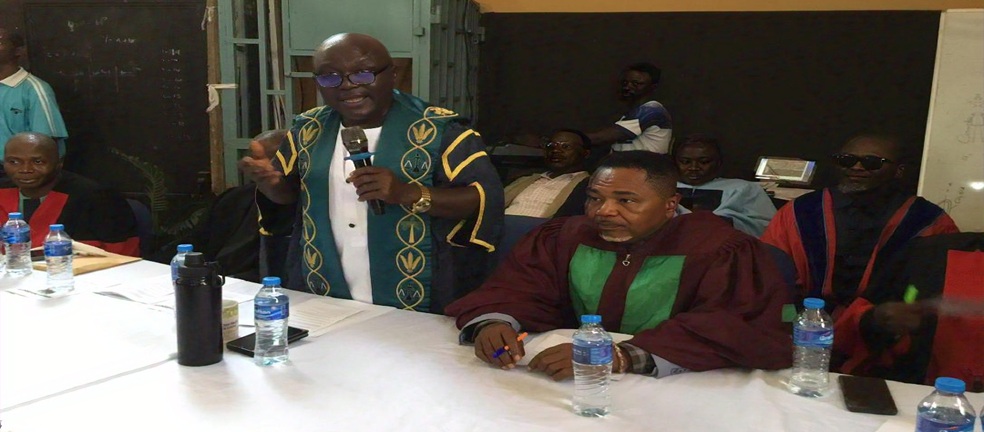
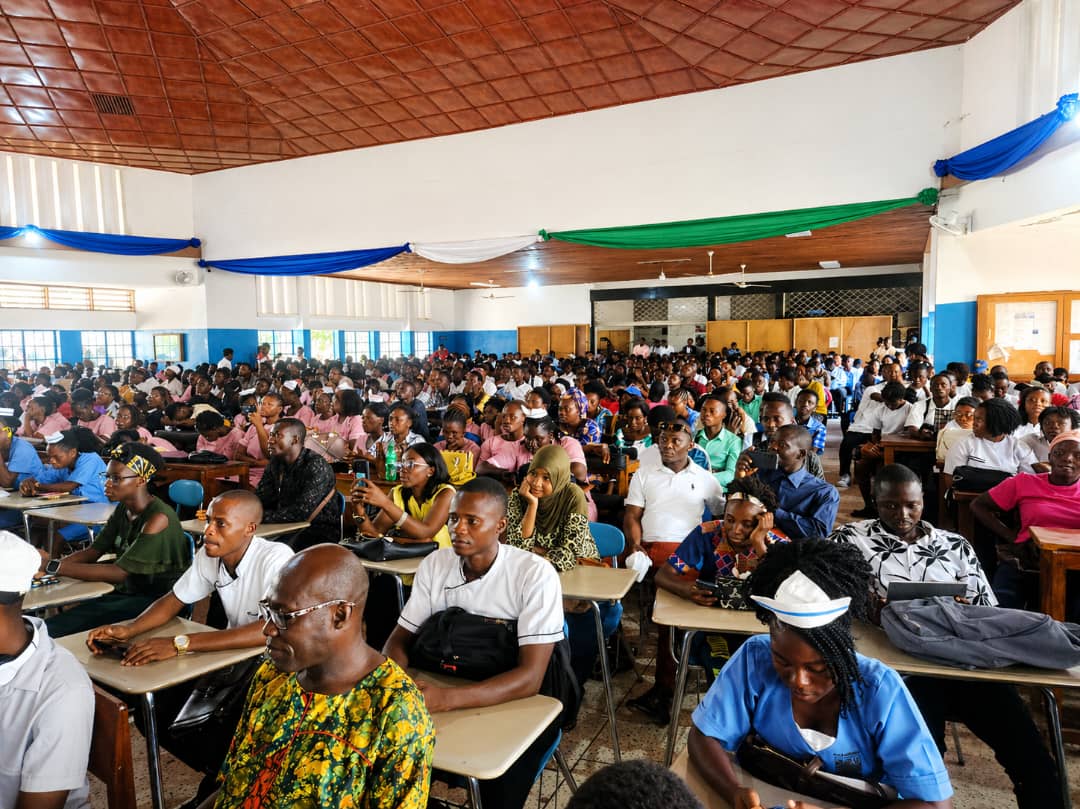
Njala University, Bo Campus, Towama Location, 28th April 2026– His Royal Majesty, the King of Asaba Kingdom in Nigeria, Asagba Professor Epiphany Chigbogu Azinge, has called for stronger cultural and academic partnerships between Sierra Leone and Nigeria as a pathway to sustainable development.
He made the call today while delivering a public lecture at Njala University, Bo Campus, Towama Location, on the theme: "Strengthening Cultural Heritage and Academic Partnership for Sustainable Development: A Comparative Perspective Between Sierra Leone and Nigeria (Case Study of Asaba)."
The monarch said Africa's future development depends not only on economic policies and infrastructure, but also on how nations preserve their cultural heritage and build institutions that transform culture into productive national assets.
He challenged the audience with a key question: how academic partnerships can sustain and transform cultural heritage into a practical pathway for sustainable development in Sierra Leone, drawing lessons from Nigeria's experience.
Speaking on Sierra Leone's cultural wealth, the Asagba praised the country's diversity, highlighting the traditions of the Mende, Temne, Limba, and Krio peoples, as well as its unique historical legacy linked to the resettlement of freed slaves.
He also noted the importance of traditional institutions such as the Poro and Sande societies, oral traditions, ceremonial masks, Nomoli figures, and indigenous music as valuable national treasures.
However, he observed that despite this richness, Sierra Leone still faces challenges in building strong systems to preserve, document, and commercialize its cultural resources.
According to His Royal Majesty, universities and academic institutions must serve as the bridge between cultural wealth and sustainable national development.
The King stressed that universities can help by documenting history, preserving traditions, promoting innovation, and influencing public policy.
He said academic partnerships can also transform culture into economic sectors such as tourism, music, fashion, film, and heritage research.
Using Nigeria as an example, the monarch said stronger collaboration between universities, cultural institutions, and industry has helped the country build globally recognized creative sectors, especially Nollywood, music, and fashion.
Professor noted that Nigerian universities have long invested in language studies, theatre arts, and indigenous history, helping to increase the country's global cultural visibility.
Despite these gains, he admitted that Nigeria still faces challenges including weak policy coordination and underfunding of cultural sectors.
The monarch further used Asaba, capital of Delta State, as a practical example of how culture can support development when linked with education and innovation.
He described Asaba as a city rich in communal values, festivals, sacred institutions, traditional dance, cuisine, arts, and hospitality.
He cited festivals such as Ezeugbo, Agbakulo, and Ine as important platforms for cultural transmission, social unity, and tourism growth.
He also pointed to Asaba's growing role as a production hub for Nollywood films and creative enterprises, demonstrating how heritage can become a modern economic engine.
The Asagba urged Sierra Leone to invest in digital preservation of artifacts, heritage research centres, tourism, music and film industries, indigenous agricultural knowledge, and stronger university–industry collaboration.
He also proposed a Nigeria–Sierra Leone Academic Corridor involving partnerships between Sierra Leonean universities and institutions such as Dennis Osadebay University Asaba, University of Ibadan, and Ahmadu Bello University, Zaria.
While advocating commercialization of culture, the monarch warned against exploitation of local traditions. He stressed the need for community ownership, protection of sacred customs, fair benefit-sharing, and ethical research standards.
In his concluding remarks, the King said Sierra Leone stands at the threshold of a cultural transformation similar to what some Nigerian cities have achieved.
He urged governments, universities, traditional leaders, and the private sector across West Africa to work together in building systems where culture is remembered, studied, shared, and sustained.
"The future of sustainable development in Africa will be built at the intersection of culture, knowledge, and partnership," he concluded.
- Log in to post comments